Simple Pool Maintenance Tips: Essential Tips for a Sparkling Clean Pool
Maintaining a crystal-clear pool is vital for both aesthetics and swimmer comfort. Regular attention to water chemistry, cleaning techniques, and filter care can simplify the process. Familiarizing yourself with the correct tools and approaches is fundamental for efficient pool care. With seasonal changes and common issues, proactive measures become even more important. What methods can homeowners use to keep their pools welcoming and enjoyable across every season?
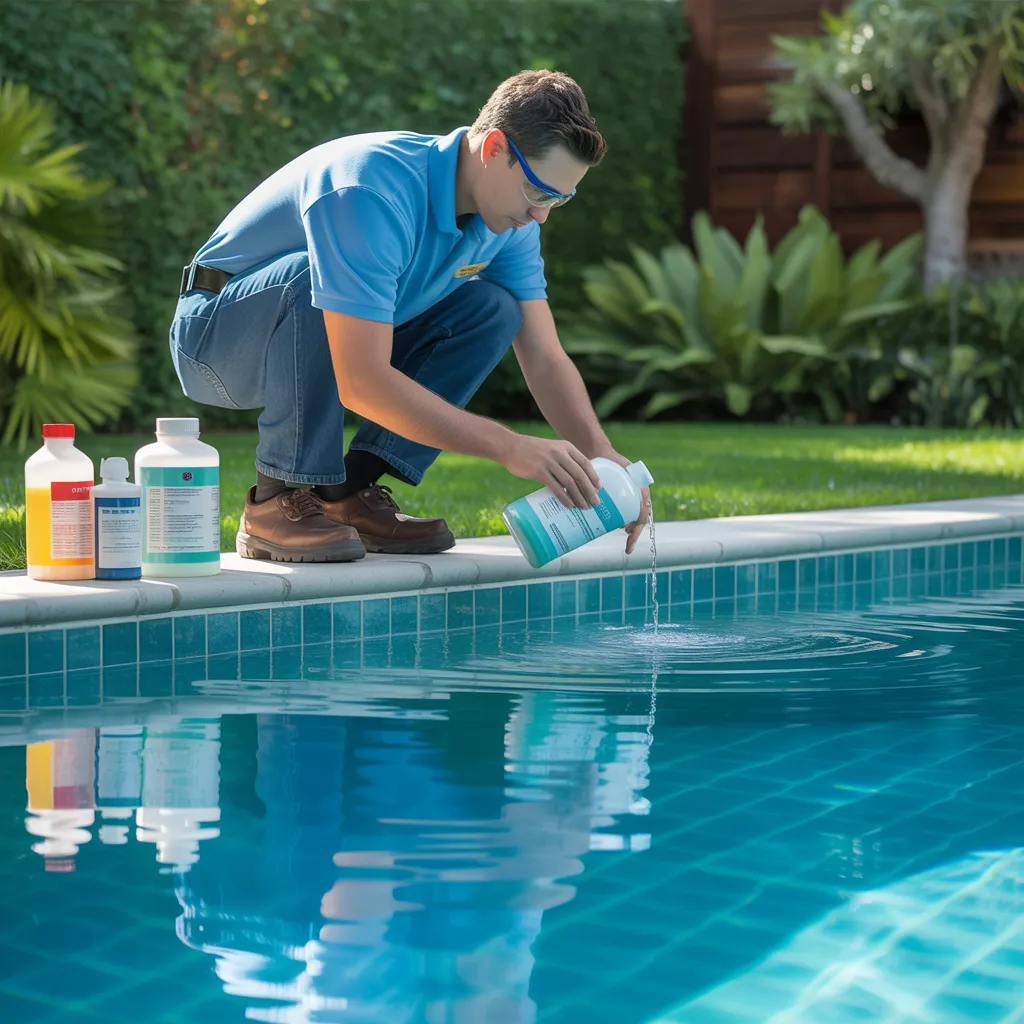
How to Get Started With Pool Maintenance
Beginning pool maintenance requires learning the key tasks that ensure the water is clean and safe for swimming. Consistently testing and adjusting water chemistry is essential, since it stops algae from forming and keeps swimmers comfortable. This means keeping track of pH levels, chlorine, and alkalinity.
Moreover, skimming the surface for debris should be done frequently to keep the water clear. Brushing the pool walls and floor helps prevent buildup and discoloration, contributing to a cleaner and more attractive pool.
Routine filter maintenance, including replacing cartridges or performing backwashing, guarantees ideal water circulation and filtration.
In closing, monitoring water levels is critical; evaporation may cause chemical imbalances. By committing to these core tasks, swimming pool owners can benefit from a clean aquatic environment, making their aquatic escape both inviting and safe for family and friends.
Key Tools for Effective Pool Maintenance
Successful pool care requires the proper tools to maintain cleanliness and water quality. Essential cleaning equipment, water testing kits, and an all-encompassing maintenance accessories checklist serve as the backbone of a reliable pool care regimen. Knowing these essential tools can streamline the process and extend the lifespan of any swimming pool.
Essential Cleaning Equipment
A pristine pool starts with the right cleaning equipment, essential for maintaining water clarity and hygiene. A skimmer net is essential for clearing leaves and debris off the surface, ensuring a spotless swimming environment. A pool vacuum, available in manual or automatic models, efficiently cleans the pool floor and walls, clearing away dirt and algae deposits. Furthermore, a brush assists in scrubbing away persistent stains and guarantees the pool surfaces remain smooth. A high-quality pool cover can prevent debris accumulation when the pool is not in use, minimizing maintenance time. Lastly, a leaf rake can help gather larger debris from the pool floor. Combined, these tools establish a comprehensive cleaning routine, leading to a clean and appealing pool atmosphere.
Water Quality Testing Kits
Reliable water testing kits are vital for maintaining a balanced pool environment. These products allow pool owners to accurately measure important chemical levels, including calcium hardness, pH, chlorine, and alkalinity. Regular testing ensures that water is kept balanced, protecting against algae growth and skin irritation. Most kits are user-friendly, offering color-coded charts for easy interpretation of results. Some higher-end options even offer digital readouts for enhanced precision. It is best to conduct weekly tests during peak swimming season and semi-monthly in cooler months. By diligently tracking water quality, pool owners can take immediate corrective action, guaranteeing a safe and enjoyable swimming experience for all. Choosing a trustworthy testing kit is a fundamental step in effective pool maintenance.
Maintenance Accessories Checklist
Keeping a pool clean and safe demands a range of necessary equipment. A dependable skimmer is essential for clearing debris from the water's surface, and a pool brush works to maintain walls and floors free of algae and buildup. A vacuum, whether manual or automatic, is essential for deep cleaning and guaranteeing the pool remains pristine. Water testing kits are necessary for monitoring chemical balance, and a well-stocked maintenance kit should feature chlorine tablets and algaecides. Furthermore, a sturdy pool cover shields against leaves and pollutants when the pool is idle. Lastly, keeping a supply of replacement parts, such as filter cartridges and hoses, ensures that any maintenance concerns can be swiftly resolved, supporting the pool's overall health and lifespan.
Pool Care: How to Balance Water Chemistry
Maintaining water balance is vital for a comfortable and secure swimming experience. Correct chemical balance not only ensures crystal-clear water but also protects swimmers from harmful bacteria and irritants. Essential elements to test include pH levels, chlorine, alkalinity, and calcium hardness.
The ideal pH range usually ranges between 7.2 and 7.8; keeping this balance helps chlorine work effectively and prevents skin irritation. Chlorine concentrations should be kept between 1-3 ppm to properly sanitize the pool. Alkalinity serves as a pH buffer, with suggested levels of 80-120 ppm, while calcium hardness should ideally be around 200-400 ppm to protect against corrosion or scaling.
Frequent monitoring with a dependable testing kit is crucial. Changes can be applied using appropriate chemicals, such as pH increasers or decreasers, shock chlorination, and alkalinity boosters. Regular testing leads to a well-balanced pool ecosystem for everyone to enjoy.
Maintaining Your Pool: Skimming, Vacuuming, and Brushing
Maintaining a pool demands a systematic approach consisting of skimming, vacuuming, and brushing. Efficient skimming practices help eliminate debris from the water's surface, while vacuuming ensures the pool floor remains dirt-free. Appropriate brushing practices support the upkeep of the walls and floor, enhancing general cleanliness and water clarity.
Effective Skimming Techniques
Skimming the surface of a pool is essential for keeping the water clear and inviting. The method requires a skimmer net to clear away debris including leaves, bugs, and dirt that collect on the water's surface. It is most effective when performed regularly, ideally daily, to prevent buildup and maintain water quality. Good technique means gliding the net in a careful, sweeping motion along the surface, enabling debris to accumulate in the net without overly agitating the water. Regular emptying of the skimmer is necessary to maintain top performance. Additionally, positioning the skimmer near areas where debris tends to gather, such as under trees, can enhance efficiency. Regular skimming supports a cleaner pool atmosphere and improves the overall swimming experience.
Tips for Vacuuming Efficiently
Maintaining a pristine pool involves more than just skimming the surface; vacuuming is essential to achieving thorough cleanliness. To maximize efficiency, it is essential to vacuum in sections, guaranteeing that no area is overlooked during the cleaning process. Beginning at the shallow end and progressing toward the deep end helps debris move naturally with the vacuum, lowering the likelihood of debris buildup and clogging. Additionally, using a vacuum with adjustable suction settings can accommodate various types of debris, ranging from fine particles to bulkier leaves. Frequently examining and clearing the vacuum filter helps sustain optimal functionality. Planning vacuum sessions when pool usage is minimal can further improve cleaning results, allowing for uninterrupted cleaning and a clearer, healthier swimming environment.
Proper Brushing Methods
Although vacuuming is crucial for pool hygiene, effective brushing practices are equally significant in preserving a clean swimming area. Routine brushing aids in clearing algae, contaminants, and sediment that can collect on the pool's sides and bottom. Utilizing a brush fitted with nylon or stainless steel bristles, suited to the pool surface, provides efficient cleaning without risking damage. It is recommended to scrub the walls using a downward stroke, beginning at the waterline and progressing toward the floor. Corners and steps should receive extra attention, as they often harbor debris. Brushing should be integrated into a weekly maintenance routine to promote water circulation and prevent buildup. This simple task contributes considerably to the overall health and appearance of the pool.
Why You Should Keep Your Pool Filter in Check
Guaranteeing a pool filter is in peak condition is critical for maintaining pristine and transparent water. A well-functioning filter effectively removes debris, dirt, and contaminants, keeping them from muddying the pool. Consistent monitoring and servicing can significantly prolong the lifespan of the filter, reducing the need for costly replacements.
Obstructed or faulty filters can cause insufficient water flow, which can contribute to algae growth and other water quality issues. This can compromise both the visual appearance of the pool and the safety of those swimming in it.
Washing or swapping out filter media on a regular basis is essential, as it guarantees top-notch filtration results. Additionally, checking pressure gauges makes it easier to recognize when upkeep is required, allowing for swift corrective measures. By maintaining the pool filter properly, pool owners can experience a safe and inviting swimming environment, consequently elevating their general swimming satisfaction.
Pool Care Tips Throughout the Seasons
With each change of season, swimming pool owners must adapt their maintenance routines to secure ideal pool water quality and system performance. In spring, it is essential to remove debris, check pool chemistry, and verify that filtration systems are operating correctly. Regular brushing and vacuuming will assist in stopping algae growth as warmer temperatures develop.
Throughout the summer season, keeping chlorine levels at their ideal range is essential due to increased usage. Weekly water testing and balancing pH levels will help keep the water safe and inviting. Additionally, skimming the surface frequently will minimize debris accumulation.
As autumn arrives, leaves can clog filters, so cleaning them frequently is important. You should also drop the water level and winterize your pool equipment when shutting down the pool for the winter season.
In winter, maintaining a consistent check on water levels and ensuring that pumps are shielded from freezing temperatures is crucial. Following these seasonal practices will ensure a clean, well-maintained pool throughout the year.
How to Fix Typical Pool Problems
What measures can pool owners implement to address frequent pool issues? Initially, they should routinely examine the water chemistry, concentrating on pH, alkalinity, and chlorine levels. A chemical imbalance frequently results in cloudy water or algae growth. Additionally, examining the filtration system is critical; a clogged or faulty filter can compromise water clarity. Should the water turn green, a shock treatment might be required.
In addition, inspecting skimmers, return lines, and pool walls for leaks can prevent significant water loss. For problems with the pool surface, such as discoloration or buildup, pool owners should regularly brush the walls and floor and vacuum the pool. To conclude, if the pool pump is noisy or not operating efficiently, it may require maintenance or replacement. By adhering to these guidelines, pool owners can effectively identify and resolve common problems, maintaining a clean and inviting pool environment.
Common Questions and Answers
How Frequently Should I Test My Pool Water?
Pool water needs to be tested at least once a week to ensure the correct chemical balance. After heavy use or significant rainfall, additional testing might be needed to preserve optimal water quality and safety.
Can I Add Standard Household Cleaners to My Pool?
Using regular household cleaners in a pool is not advisable. These solutions can interfere with the chemical balance, cause harm to pool surfaces, and introduce health concerns. Specialized pool cleaners are recommended for maintaining water quality and safety.
What Should I Do When My Pool Turns Green?
If a swimming pool turns green, one should apply a chlorine shock to the water, evaluate the pH levels, ensure adequate filtration, and clean debris. Consistent upkeep following treatment will assist in stopping future algae development go now and maintain clarity.
How Can I Select the Best Pool Cover?
To select the ideal pool cover, one should consider elements like material durability, compatibility with local weather conditions, convenience of use, and safety features. In addition, examining the size and shape of the pool secures a proper fit and effective coverage.
Are Eco-Friendly Pool Maintenance Solutions Available?
There are indeed eco-friendly pool maintenance options to consider. Options such as solar pool covers, non-toxic chemicals, biodegradable cleaners, and natural filtration systems are among the choices. By adopting these methods, you can minimize environmental impact while keeping your swimming area clean and safe.